 Save to Pinterest
 There's something almost magical about the smell of donuts frying in hot oil on a quiet Sunday morning. Years ago, I stood in my kitchen watching my grandmother dip warm cake donuts into glossy glaze, and I realized these weren't just breakfast—they were a moment of pure comfort. That's when I became obsessed with getting them right: soft inside, golden outside, and simple enough to make whenever the craving hits. This recipe is what I finally landed on after countless batches and a few burnt edges along the way.
I remember making a batch of these for my neighbor who'd just moved in, and she came over with fresh coffee in hand. We sat at my kitchen counter dunking warm donuts and talking for two hours about nothing in particular—the kind of morning that makes you believe good food really does bring people together. She's now my excuse to make them at least once a month.
Ingredients
- All-purpose flour (2 1/2 cups): The foundation—too much makes them heavy, so measuring by weight or spooning and leveling matters.
- Granulated sugar (1 cup): Sweetens the dough and helps them brown beautifully when fried.
- Baking powder (2 tsp) and baking soda (1/2 tsp): These lift the donuts so they're light and cakey rather than dense.
- Salt (1/2 tsp) and ground nutmeg (1/2 tsp): Salt balances sweetness, and nutmeg adds a subtle warmth that makes people wonder what the secret ingredient is.
- Eggs (2 large): They bind everything and help with structure—use room temperature if you can.
- Buttermilk (3/4 cup): The acidity reacts with baking soda and creates that tender crumb; don't substitute with regular milk.
- Unsalted butter, melted and cooled (1/4 cup): Adds richness without making them greasy if you use vegetable oil for frying.
- Vanilla extract (1 tsp): A teaspoon goes a long way in brightening the flavor.
- Vegetable oil for frying (about 1.5 liters): Keep it at 350°F—use a thermometer because eyeballing the heat is where most mistakes happen.
- Powdered sugar (1 cup) and milk (2-3 tbsp): For a silky glaze that clings to warm donuts.
- Cinnamon sugar (1/2 cup sugar mixed with 1 tsp cinnamon): An alternative finish that's equally irresistible.
Tired of Takeout? 🥡
Get 10 meals you can make faster than delivery arrives. Seriously.
One email. No spam. Unsubscribe anytime.
Instructions
- Mix your dry ingredients:
- Whisk together flour, sugar, baking powder, baking soda, salt, and nutmeg in a large bowl. Doing this first ensures the leavening agents are evenly distributed—lumps of baking soda will create bitter spots in your donuts.
- Combine the wet mixture:
- In another bowl, beat the eggs, then whisk in buttermilk, melted butter, and vanilla until smooth. Having everything ready and at room temperature (except the cooled melted butter) makes a difference in how the batter comes together.
- Bring it all together gently:
- Fold the wet ingredients into the dry mixture until just combined—overmixing develops gluten and makes them tough instead of tender. A few small lumps are your friend here.
- Prepare your dough:
- Turn the dough onto a lightly floured surface and gently pat or roll it to about 1/2-inch thickness. If it's sticky, chill it for 10 minutes; it'll be much easier to cut.
- Cut the donuts:
- Use a 3-inch donut cutter (or two round cutters—one large, one small for the hole). Push straight down without twisting so the edges stay crisp.
- Heat your oil:
- Bring vegetable oil to 350°F in a deep pot. Use a thermometer; oil that's too cool makes greasy donuts, and too hot browns them before they cook through.
- Fry in batches:
- Carefully place donuts in the hot oil and fry for about 1 to 2 minutes per side until they're golden brown and float slightly. Don't crowd the pot—they need space to cook evenly.
- Drain and cool slightly:
- Remove with a slotted spoon and set on paper towels to drain. Let them cool just enough to handle but while they're still warm for glazing or coating.
- Glaze or coat:
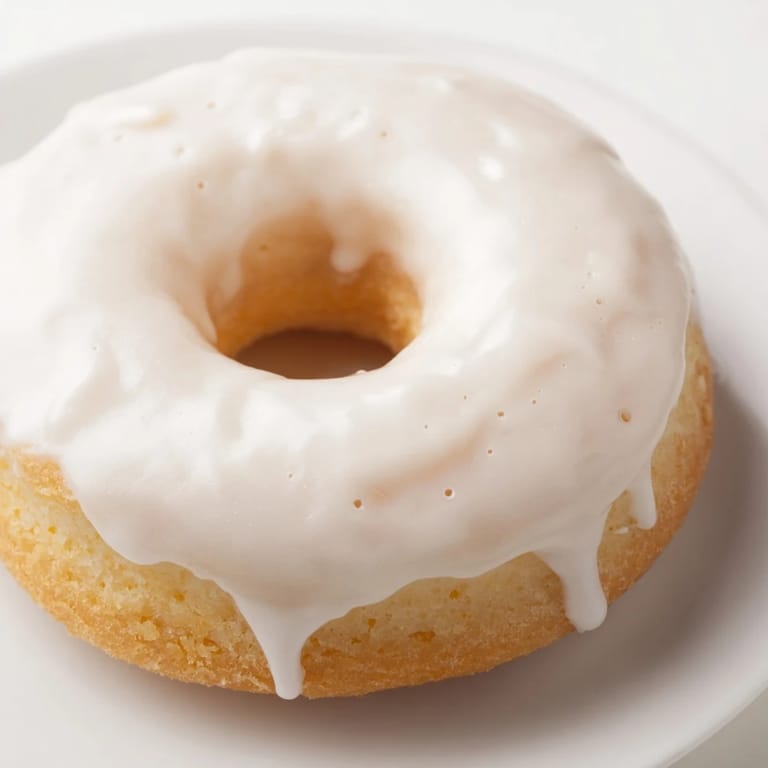
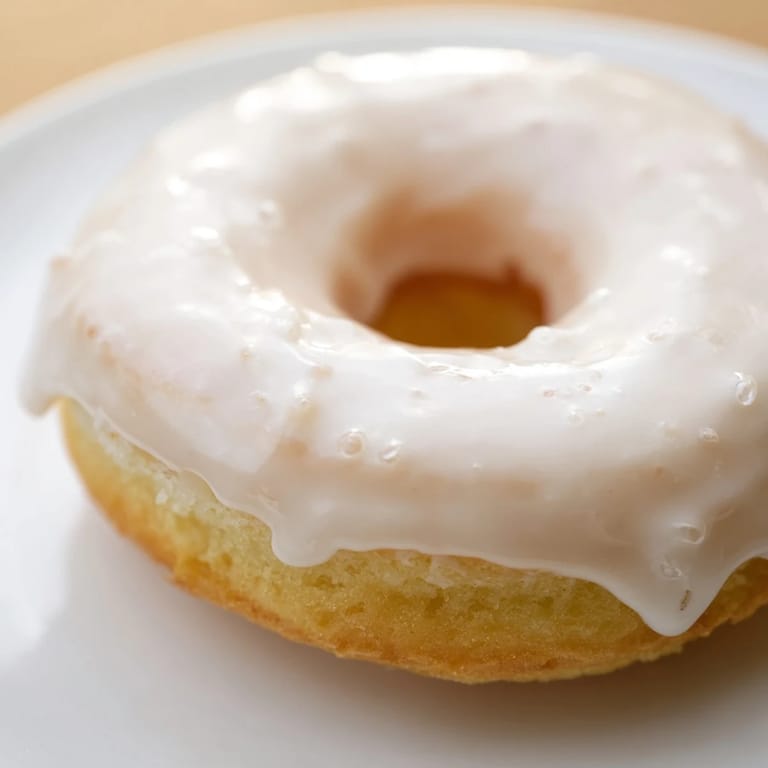
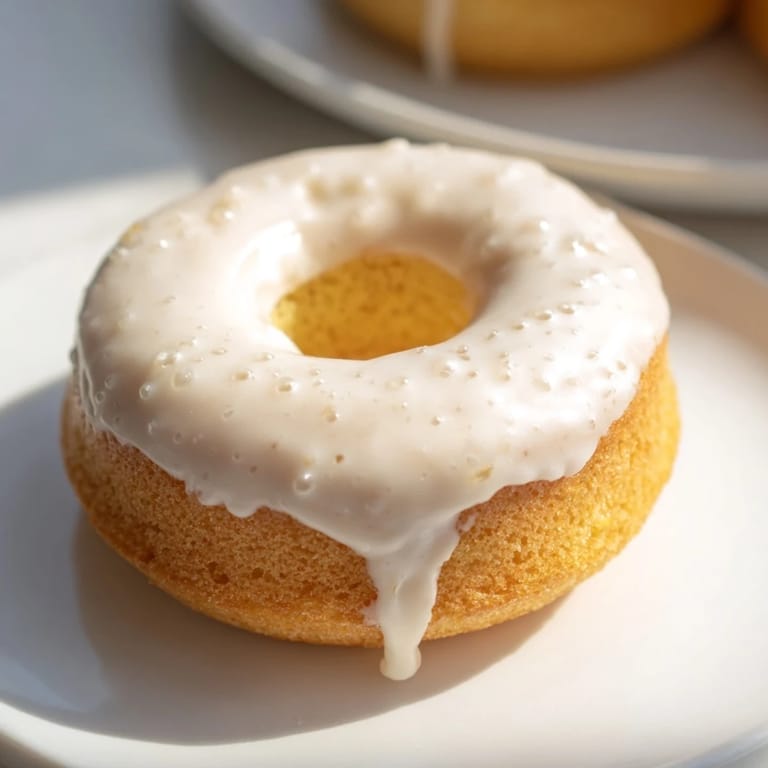
- For glaze, whisk powdered sugar, milk, and vanilla until smooth, then dip warm donuts and set on a wire rack. For cinnamon sugar, toss them in the mixture until evenly coated.
 Save to Pinterest
 The first time these turned out exactly right, I called my sister over without warning, and we stood in my kitchen eating them straight off the rack with no pretense. That's when I knew I'd gotten it right—they weren't just good, they were the kind of thing that makes moments feel special. Now they're my go-to when I need to show someone I care or when I just need a little magic in my morning.
The Science of Cakey Donuts
What makes these different from yeast donuts is the baking powder and baking soda—they create lift instantly rather than requiring hours to rise. The buttermilk is the secret player here; its acidity reacts with the baking soda to create tiny air pockets that give you that tender, almost melt-in-your-mouth texture. Understanding this helped me stop over-mixing, because once those leavening agents are activated, too much stirring collapses the structure before they even hit the hot oil.
Flavor Variations to Try
Once you've nailed the basic version, the fun part is experimenting with finishes and flavors. I've added almond extract instead of vanilla, brushed them with maple glaze, even dipped them in crushed cereal for a fun texture. The dough itself is also forgiving enough to handle a teaspoon of pumpkin pie spice or a hint of lemon zest if you're in the mood for something a little different.
Making Them Ahead and Storage
These are best eaten fresh, the same day you make them, but I've learned they keep for two days in an airtight container if you need them to. If you're planning ahead, you can prepare the dough the night before, refrigerate it, and fry them off the next morning—it actually makes them a little less greasy. Reheat leftovers in a 300°F oven for a few minutes to bring back that tender texture, or don't reheat them at all and accept that day-old donuts have their own quiet charm.
- Store in an airtight container at room temperature for up to two days.
- Freeze unfrosted donuts in a freezer bag for up to a month and refresh in the oven before glazing.
- Make the dough ahead and fry off fresh donuts whenever you want that warm, just-made feeling.
 Save to Pinterest
 Making homemade donuts teaches you that the simplest things often taste the best when you take your time and pay attention. These are the kind of recipe that deserves a Sunday morning and maybe someone to share them with.
Recipe FAQs
- → What gives the donuts their tender texture?
The combination of buttermilk and melted butter in the batter creates a soft, tender crumb by adding moisture and richness.
- → How can I tell when the donuts are perfectly fried?
Donuts should be fried in hot oil until they turn a golden brown color, usually 1–2 minutes per side, ensuring a crisp exterior and fully cooked interior.
- → Can I substitute sour cream for buttermilk?
Yes, sour cream can be used as a substitute for buttermilk to maintain moistness and tenderness in the dough.
- → What are the options for topping these donuts?
You can finish the donuts with a sweet glaze made from powdered sugar, milk, and vanilla, or toss them in cinnamon sugar for a spiced sweetness.
- → How should I store leftover donuts?
Store donuts in an airtight container at room temperature to keep them soft, ideally consuming within one day for best texture.