 Save to Pinterest
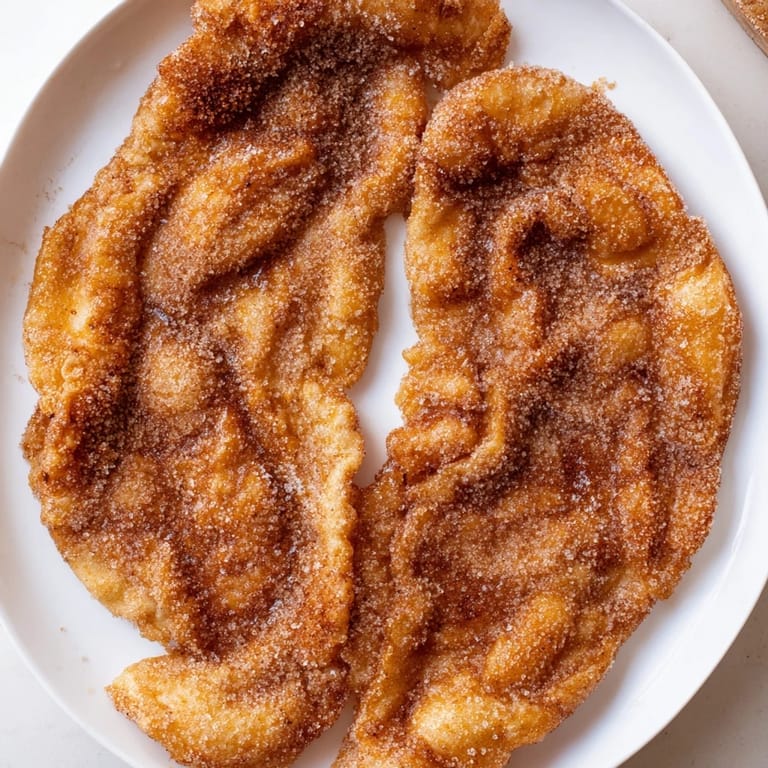
 My first elephant ear came from a carnival stand on a sweltering August afternoon, the kind where the smell of fried dough mixes with dust and the sound of a carnival game in the distance. I watched the vendor stretch the dough thin, drop it into oil that crackled and hissed, then pull it out golden and impossibly puffy. The cinnamon sugar coating caught the light as she handed it to me on a paper cone, still warm enough to burn my fingertips. I've chased that exact feeling ever since, and now I make them at home whenever someone needs convincing that the simplest things are often the best.
I made these for my neighbor last spring when she came over complaining that nothing tasted good anymore, that she was tired of boring desserts. She bit into one still warm from the skillet, closed her eyes, and didn't say another word until it was gone. She ate three more and asked for the recipe before she left, which told me everything.
Ingredients
- Active dry yeast (2¼ teaspoons): This is what gives the dough its lift and that pillowy texture—make sure yours isn't expired or the whole thing falls flat.
- Warm milk (1 cup): Too hot and you'll kill the yeast; too cold and nothing happens, so aim for that Goldilocks temperature around 110°F.
- Granulated sugar (2 tablespoons for dough, ½ cup for topping): The small amount in the dough feeds the yeast, while the topping sugar is what makes people unable to stop eating these.
- Unsalted butter (2 tablespoons melted for dough, 2 tablespoons optional for brushing): The melted butter in the dough makes it tender; brushing after frying helps the cinnamon sugar stick like magic.
- Salt (½ teaspoon): A tiny pinch that makes everything taste more like itself.
- All-purpose flour (2½ to 3 cups): Start with less and add gradually—humidity matters, and you want a soft dough, not a stiff one.
- Vegetable oil (3 cups): The backbone of fried dough; keep it clean and at the right temperature or you'll end up with greasy disappointment.
- Ground cinnamon (2 teaspoons): This is the smell people remember, so don't skip it and don't use the stale container from three years ago.
Tired of Takeout? 🥡
Get 10 meals you can make faster than delivery arrives. Seriously.
One email. No spam. Unsubscribe anytime.
Instructions
- Wake up the yeast:
- Combine the yeast, warm milk, and sugar in a large bowl and let it sit for five minutes until it's foamy and alive. If it doesn't foam, your yeast is dead and you need to start over.
- Build the dough:
- Stir in the melted butter and salt, then gradually add flour until the dough comes together into something soft and slightly sticky. Stop adding flour once it stops being shaggy—you're looking for smooth and supple, not tough.
- Knead it tender:
- Work the dough on a floured surface for about five minutes, pushing and folding until it feels elastic and springs back when you poke it. This develops the gluten and gives you that tender crumb you're after.
- Let it rise:
- Place the dough in a greased bowl, cover it loosely, and park it somewhere warm for about an hour until it's doubled in size. A turned-off oven with the light on works if your kitchen is chilly.
- Prepare the coating:
- Mix the cinnamon and sugar in a shallow dish where you can easily dredge the finished ears. This is your secret weapon, so don't rush it.
- Shape and stretch:
- Punch down the dough, divide it into eight pieces, and roll each into a ball. Then stretch or roll each ball into a thin oval about eight inches long—the thinner, the crispier the edges will be.
- Heat the oil:
- Pour oil into a deep skillet or Dutch oven and bring it to 350°F, using a thermometer because guessing leads to either raw dough or burnt edges. Let the oil settle for a minute so the temperature stabilizes.
- Fry with confidence:
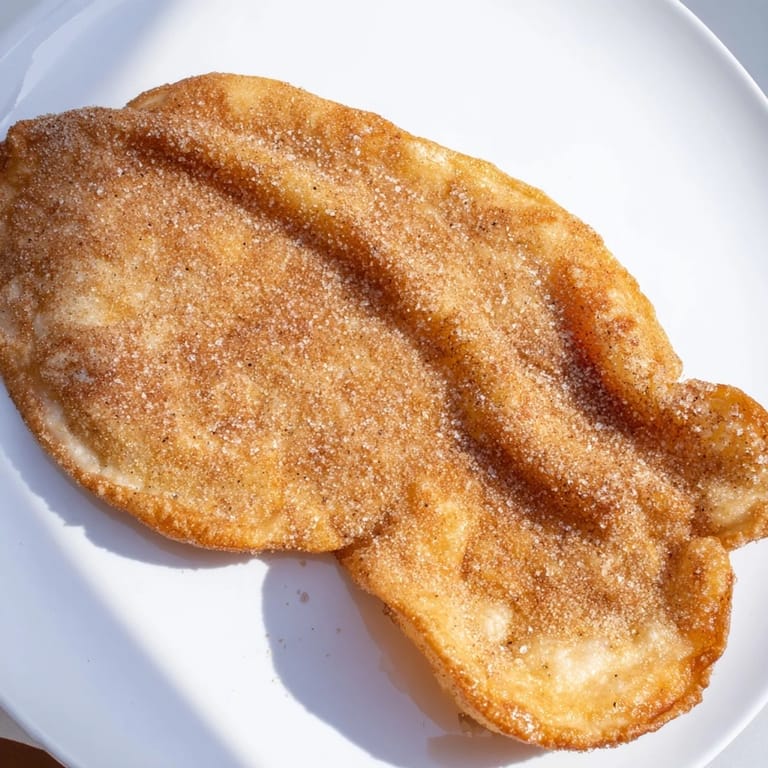
- Carefully slide one or two ovals into the oil and watch them puff up and turn golden in about one minute per side. Use tongs or a slotted spoon and flip them gently so they don't deflate.
- Coat while warm:
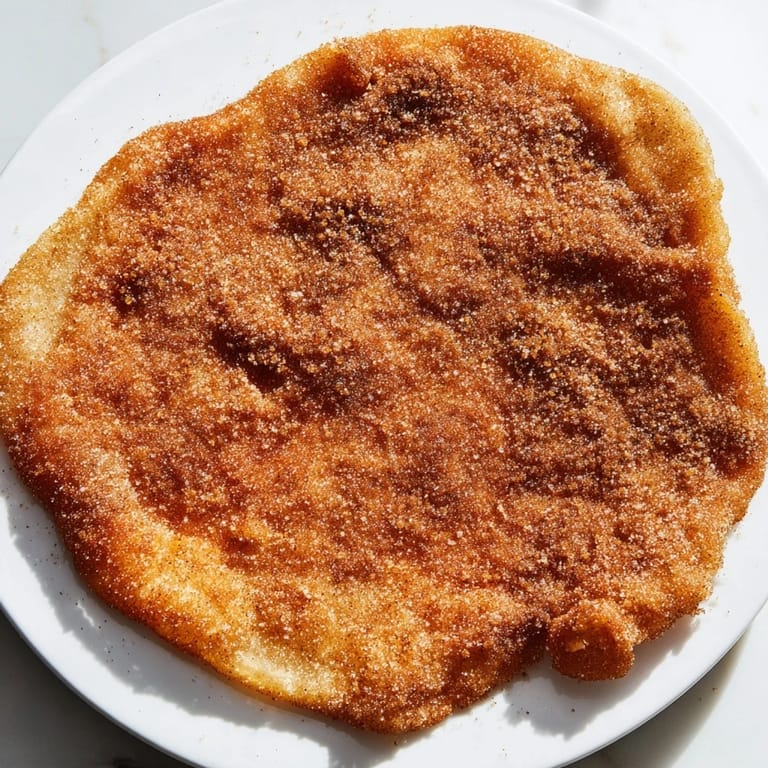
- Drain the fried ears briefly on paper towels, then brush with melted butter if you're using it and immediately roll both sides in cinnamon sugar so it sticks. The warmth is crucial here.
 Save to Pinterest
 The moment I first made these for myself, alone in my kitchen on a random Wednesday, I understood why people chase fairground food. There was something about the whole process—the smell of yeast, the sound of dough hitting hot oil, the sweet coating—that felt like small magic.
Why the Dough Matters
A lot of fried dough recipes use puff pastry or biscuit dough as a shortcut, but there's a reason the real carnival version starts with a yeast dough. The yeast gives you rise and air pockets that fry up impossibly light and delicate, with that contrast between crispy outside and tender inside that makes people lose their minds. The butter in the dough keeps it soft even after it cools, so these are actually still good hours later, though they never last that long in my house.
Troubleshooting and Variations
If your dough refuses to rise, check that your yeast is fresh and that your rising spot is genuinely warm—a cold kitchen can add hours to rising time. If your elephant ears come out dense instead of puffy, the oil temperature was probably too low or you didn't let the dough rise fully. If they're burning on the outside before cooking through, your oil is too hot; drop it five or ten degrees and try again.
As for variations, you can add a pinch of nutmeg to the dough if you want something slightly spiced, or dust the finished ears with vanilla sugar instead of cinnamon. Some people dip theirs in chocolate sauce or honey, which is wonderful if you're feeding a crowd.
Making Them Ahead
If you're planning ahead, you can make the dough the night before, punch it down after rising, cover it tightly, and refrigerate it until you're ready to fry. Just let it come to room temperature for fifteen minutes or so before stretching, and it'll fry up perfectly. This makes them a great option for feeding people when you actually want to enjoy their company instead of spending your whole time in the kitchen.
- Mix the cinnamon sugar the day before if you want, but keep it in a sealed container so it doesn't go stale.
- Have all your ingredients and tools ready before you start so the process stays smooth and nothing catches you off guard.
- If you're nervous about frying, practice with one piece first to dial in the temperature before committing to the whole batch.
 Save to Pinterest
 These are the kind of dessert that reminds you why people remember food so vividly—it's not just taste, it's the whole moment. Make them for someone you love.
Recipe FAQs
- → What type of flour works best for Elephant Ears?
All-purpose flour provides the ideal texture for a soft yet crispy dough that fries evenly.
- → How do you achieve the perfect crispy texture?
Frying the dough at 350°F (175°C) ensures a golden, crispy exterior while keeping the inside tender.
- → Can the dough be prepared ahead of time?
Yes, it can be refrigerated for up to 12 hours before frying, allowing flavors to develop further.
- → What is the purpose of brushing melted butter after frying?
Brushing butter enhances richness and helps the cinnamon sugar adhere evenly to the surface.
- → Are there suggested accompaniments for serving?
Serve warm with chocolate sauce, jam, or honey for added flavor contrasts and dipping options.