 Save to Pinterest
 There's something magical about the smell of yeast donuts frying on a lazy Sunday morning—golden, pillowy, and utterly irresistible. I stumbled into making these from scratch after a friend casually mentioned she'd never had a homemade glazed donut, and I couldn't let that slide. The first batch came out slightly lopsided and I somehow burned the oil temperature check, but those imperfect donuts tasted like pure comfort. Now whenever I make them, I'm transported back to that chaotic kitchen moment, flour everywhere, laughter, and the realization that homemade donuts aren't as intimidating as they seem.
I made these for a small group of neighbors who'd been asking what I was always baking, and watching their faces light up when they bit into a warm, glossy donut made the whole process worth it. One person asked if I'd bought them from a fancy bakery, which is the highest compliment a home baker can get. That moment solidified it for me—these donuts aren't just breakfast food, they're a small way to show people you care.
Ingredients
- All-purpose flour: Use 3½ cups (440 g) and keep extra on hand for dusting and rolling; it's the foundation of a tender, light crumb.
- Whole milk, warmed: 1 cup (240 ml) activates the yeast and keeps the dough tender; don't skip warming it or your rise times will drag.
- Unsalted butter, melted: ¼ cup (55 g) adds richness and a delicate texture without overpowering the vanilla glaze.
- Granulated sugar: ¼ cup (50 g) feeds the yeast and subtly sweetens the dough itself.
- Active dry yeast: 2¼ teaspoons (1 packet) is your leavening agent; check the date to ensure it's fresh and alive.
- Large eggs at room temperature: 2 eggs bind everything and contribute to that airy crumb structure.
- Fine salt: ½ teaspoon balances the sweetness and strengthens gluten development.
- Neutral oil for frying: 2 quarts (2 liters) of canola or vegetable oil; use a thermometer to maintain 350°F consistently.
- Powdered sugar, sifted: 2 cups (240 g) for the glaze; sifting prevents lumps and ensures a silky coating.
- Whole milk for glaze: ¼ cup (60 ml) creates the perfect consistency—thick enough to cling but not pasty.
- Pure vanilla extract: 1 teaspoon brings warmth to an otherwise one-note sweet glaze.
- Pinch of salt in glaze: Enhances vanilla and prevents the glaze from tasting flat.
Tired of Takeout? 🥡
Get 10 meals you can make faster than delivery arrives. Seriously.
One email. No spam. Unsubscribe anytime.
Instructions
- Bloom the yeast:
- Combine 1 cup of warmed milk with 2¼ teaspoons of active dry yeast in a small bowl and let it sit for 5 minutes until it's foamy and bubbly on top—this tells you the yeast is alive and ready to work.
- Mix the dry base:
- In a large bowl or stand mixer, whisk together 3½ cups of flour, ¼ cup of sugar, and ½ teaspoon of salt to distribute the salt evenly and prevent yeast shock.
- Bring it together:
- Add the foamy yeast mixture, ¼ cup of melted butter, and 2 large room-temperature eggs to the dry ingredients and mix until a shaggy, sticky dough forms—don't worry if it looks rough at this stage.
- Knead until silky:
- On medium speed (or by hand if you're enjoying the workout), knead for 5–7 minutes until the dough becomes smooth, elastic, and springs back when you poke it gently.
- First rise:
- Place the dough in a greased bowl, cover it with a damp kitchen towel, and let it rise in a warm, draft-free spot for 1–1.5 hours until it has roughly doubled in size—this is when the magic happens and the yeast creates all those tiny air pockets.
- Roll and cut:
- Turn the dough onto a lightly floured surface and roll it out to a ½-inch thickness, then use a 3-inch donut cutter to cut out your shapes; reroll scraps gently and cut again until you've got about 12 donuts and 12 holes.
- Second rise:
- Place the cut donuts and holes on a parchment-lined tray, cover loosely, and let them rise again for 30–45 minutes until they're visibly puffy and jiggly—they should look noticeably lighter than before.
- Heat the oil carefully:
- In a deep fryer or large, heavy-bottomed pot, heat 2 quarts of neutral oil to exactly 350°F (175°C), using a thermometer to check; this is the moment where patience saves you from greasy donuts.
- Fry to golden:
- Working in batches so you don't crowd the pan, gently slide donuts into the hot oil and fry for 1–1.5 minutes per side until they're a rich golden brown, using a slotted spoon to flip and transfer them to a wire rack lined with paper towels.
- Make the glaze:
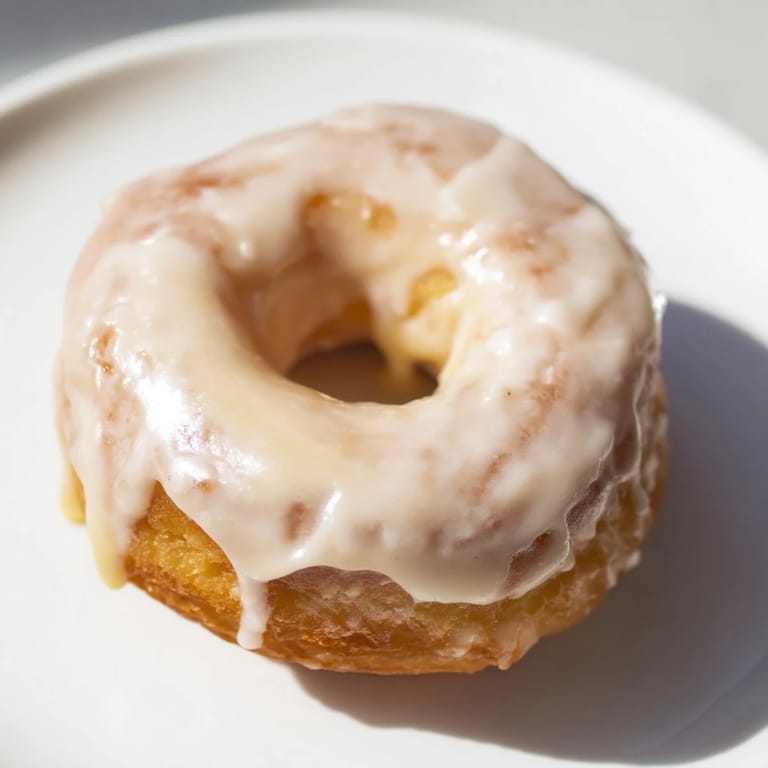
- Sift 2 cups of powdered sugar into a bowl and whisk it with ¼ cup of milk, 1 teaspoon of vanilla extract, and a pinch of salt until smooth and pourable—it should coat a spoon gracefully.
- Glaze while warm:
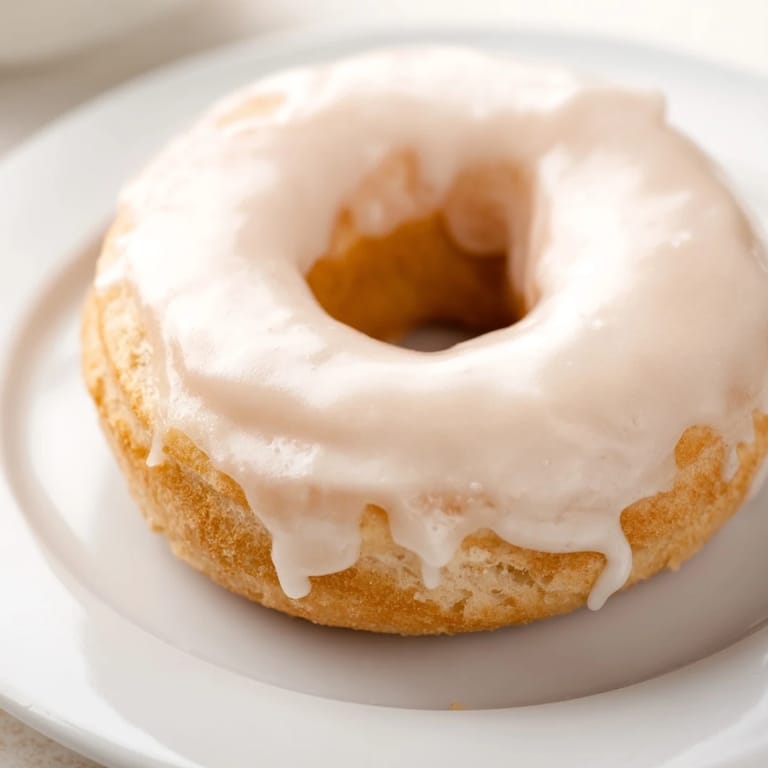
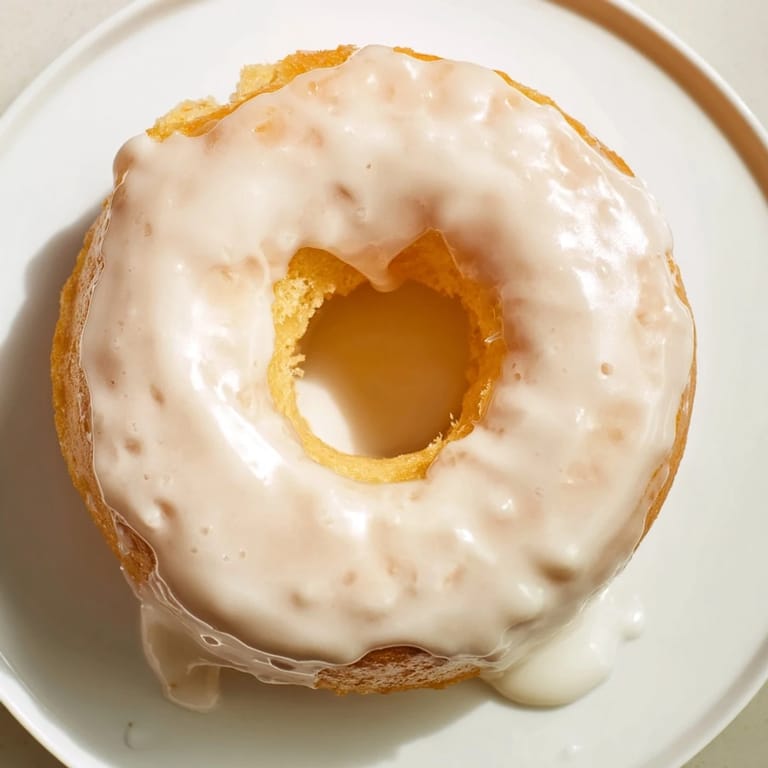
- Dip each warm (but not piping hot) donut into the glaze, letting the excess drip back into the bowl, then place it on the rack and watch as the glaze sets into a glossy shell.
 Save to Pinterest
 I'll never forget the first time someone asked for the recipe instead of just complimenting the donut—it meant these weren't just a fun project anymore, they'd become a beloved tradition. There's a quiet joy in knowing something you made brought genuine happiness to someone else's day.
Getting the Rise Right
The two rises are the backbone of this recipe, and getting them right is easier than you think once you stop overthinking it. The first rise happens while you're living your life, so 1–1.5 hours is flexible depending on how warm your kitchen is. If it's cold, give it longer; if it's summer and your kitchen is already 75°F, it might be done in 50 minutes. The second rise is faster because you've already activated the yeast, so keep an eye on it instead of setting a timer and wandering off.
Frying Technique and Oil Care
Frying donuts feels intimidating until you realize it's just about maintaining heat and moving quickly. Keep a thermometer clipped to the side of your pot so you can monitor the temperature throughout—it'll drop when you add cold dough, and you'll need a few seconds between batches for it to climb back to 350°F. The oil itself deserves respect; strain it after frying and store it in a cool place, and you can reuse it two or three more times before it breaks down and starts to smell tired.
Customizing Your Glaze and Dough
Once you've made these basic glazed donuts a few times and feel confident, the variations practically suggest themselves. Try stirring a tiny pinch of ground nutmeg into the dough for a subtle warmth, or replace half the milk in the glaze with strong coffee for a morning twist. If you're feeling adventurous, swap vanilla extract for almond extract or add the zest of a lemon to the glaze for brightness.
- A touch of grated nutmeg in the dough adds a faint spice note that makes people ask what the secret ingredient is.
- Dip donuts in the glaze while they're still warm—it clings better and sets with a satin finish instead of a thick shell.
- Eat them within a day or two; they soften slightly as they sit, which some people love and others find less appealing.
 Save to Pinterest
 These donuts are a reminder that the best food doesn't need to be complicated—just honest, warm, and made with a little care. Make a batch this weekend and taste the difference homemade really makes.
Recipe FAQs
- → How do I make the dough rise properly?
Ensure the milk is warm but not hot to activate the yeast effectively. Cover the dough and keep it in a warm, draft-free spot until it doubles in size, usually 1 to 1.5 hours.
- → What type of oil is best for frying?
Use neutral oils like canola or vegetable oil with a high smoke point to achieve golden, crisp donuts without imparting unwanted flavors.
- → How do I know when the donuts are done frying?
Fry the donuts until they turn a golden brown color, about 1 to 1.5 minutes per side, then transfer to paper towels to drain excess oil.
- → Can I add flavor variations to the glaze?
Yes, try substituting vanilla extract with almond extract or adding a bit of citrus zest for different flavor profiles.
- → How should I store leftover donuts?
Store in an airtight container at room temperature for 1 to 2 days to keep them soft and fresh.
- → What equipment is recommended for shaping the donuts?
A donut cutter (3-inch for donuts and 1-inch for holes) works best, but you can use round cutters or even cups if needed.