 Save to Pinterest
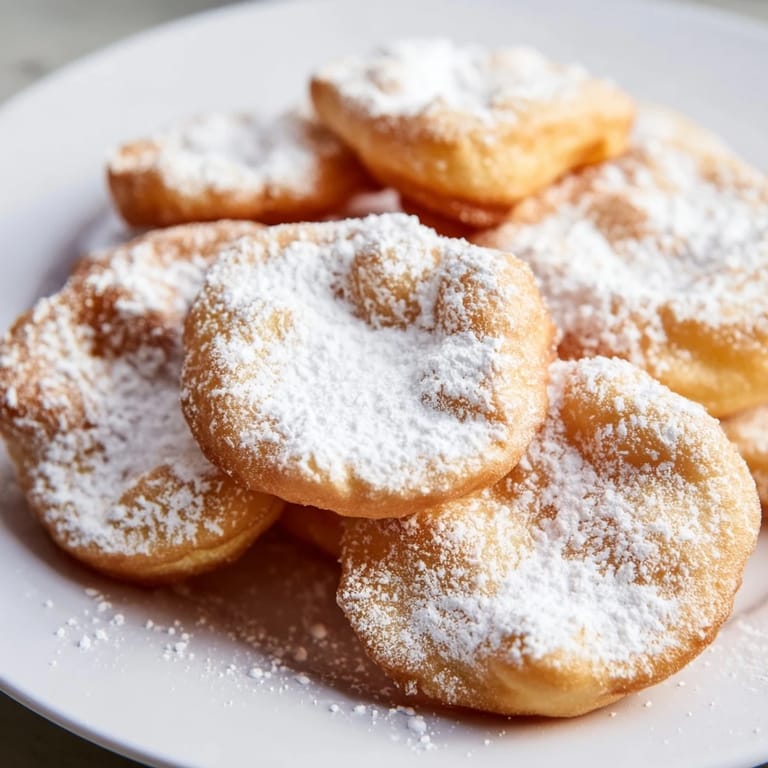
 The first time I made fried dough at home, I wasn't trying to be a pastry chef—I just wanted to capture that exact moment when you bite into something warm and golden at the fair, that crackling exterior giving way to soft, pillowy insides. I'd watched the vendor work the fryer with such ease, and it stuck with me that this couldn't possibly be complicated. Turns out, it wasn't. What surprised me most was how quickly the smell fills your kitchen, how it makes everyone stop what they're doing and drift toward the stove.
I made these for my nephew's school fundraiser bake sale, and they were gone in the first fifteen minutes—faster than the brownies, faster than the cookies. I remember his teacher coming back with an empty plate asking for the recipe, and that's when I realized this wasn't just a simple treat, it was something people genuinely craved. There's something about fried dough that transcends fancy desserts; it's pure comfort and joy in its most honest form.
Ingredients
- All-purpose flour: The backbone of your dough, giving it structure while staying tender when fried.
- Baking powder: This creates tiny air pockets that puff up in the hot oil, making each piece light and airy rather than dense.
- Salt: A small pinch that rounds out the sweetness and makes the flavor more complex.
- Granulated sugar: Sweetness built into the dough itself, so each bite is naturally sugary even before toppings.
- Unsalted butter: Adds richness and helps create that tender crumb; softened butter mixes in smoothly without overworking the dough.
- Whole milk: Brings everything together into a soft, cohesive dough that's easy to shape and fries beautifully.
- Vegetable oil: The medium for frying; use a neutral oil so it doesn't compete with the sweetness of the dough.
- Powdered or granulated sugar: The traditional finish that clings to the warm, slightly oily surface.
- Honey: Optional but magical—a drizzle adds luxury and a subtle floral note that transforms the whole experience.
Tired of Takeout? 🥡
Get 10 meals you can make faster than delivery arrives. Seriously.
One email. No spam. Unsubscribe anytime.
Instructions
- Mix the dry ingredients:
- Whisk together flour, baking powder, salt, and sugar in a large bowl. This distributes the leavening evenly so every piece puffs equally.
- Cut in the butter:
- Add softened butter and work it in with your fingertips until the mixture looks like coarse sand. You want small butter pieces throughout, not a smooth paste.
- Add the milk slowly:
- Pour in the milk gradually, stirring gently until a soft, shaggy dough forms. Stop as soon as everything is combined; overworking makes the dough tough.
- Knead gently:
- Turn the dough onto a lightly floured surface and knead for just one minute. This helps everything come together without developing too much gluten.
- Divide and shape:
- Cut the dough into 8 equal pieces and pat or roll each into a disc about 1/4 inch thick. Thickness matters here—too thin and they become brittle, too thick and the inside stays raw.
- Heat the oil:
- Bring vegetable oil to 350°F in a deep skillet or pot. A thermometer is your friend here; too cool and the dough absorbs oil, too hot and the outside burns before the inside cooks through.
- Fry in batches:
- Carefully place one or two dough discs into the hot oil and fry for 1 to 2 minutes per side until golden and puffed. Watch them swell and bubble—it's oddly satisfying. Don't crowd the pan or the temperature will drop too much.
- Drain and finish:
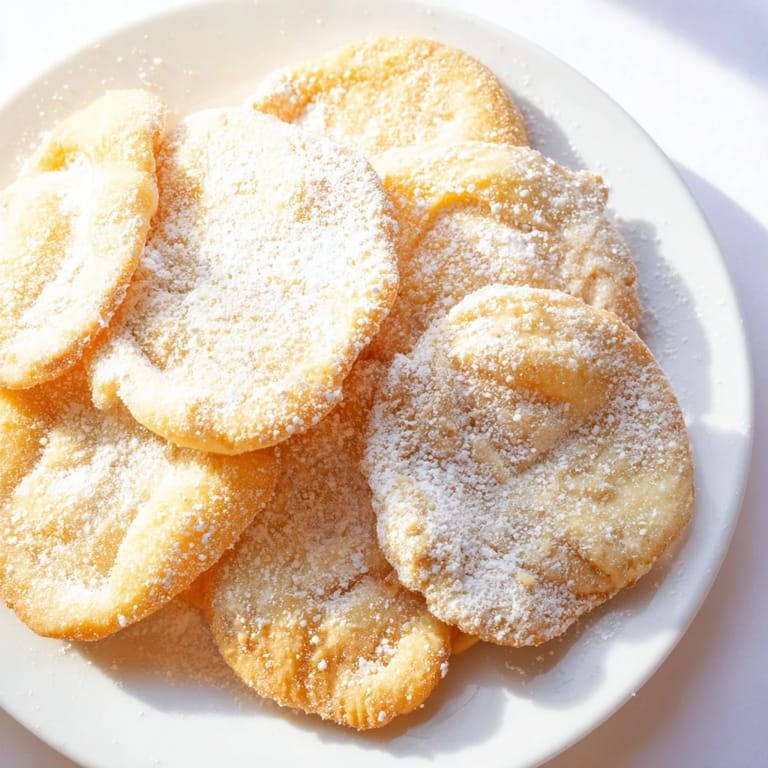
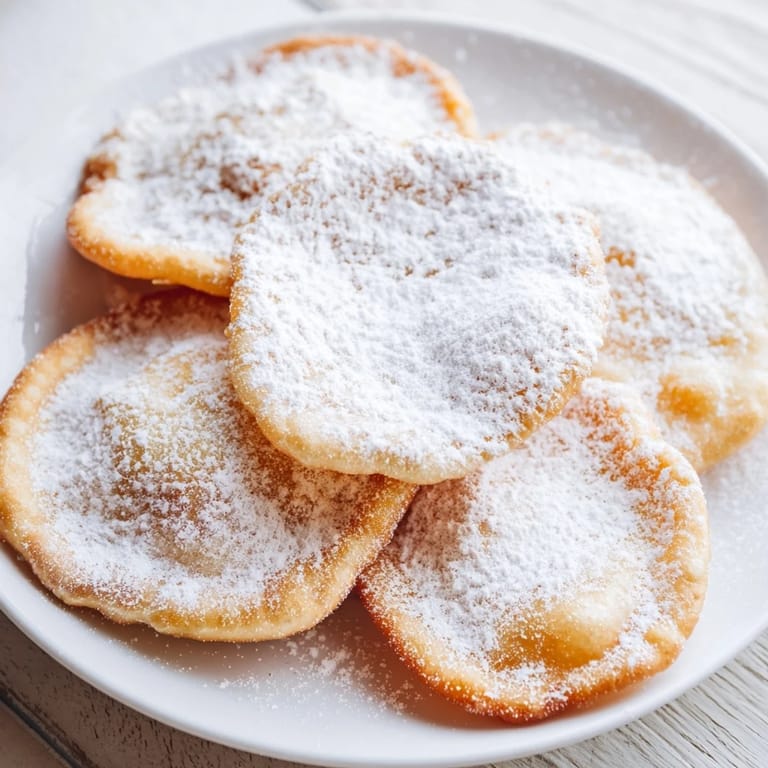
- Remove fried pieces with a slotted spoon or tongs and drain on paper towels. While still warm, dust generously with powdered sugar or drizzle with honey, then serve immediately while they're at their best.
 Save to Pinterest
 Years ago, I took my grandma to a county fair, and she ordered fried dough with cinnamon sugar. Watching her tear into it with such unselfconscious joy—getting powdered sugar all over her face, not caring one bit—taught me that the best food is the one that makes you feel like a kid again. That's what this recipe does.
The Right Oil Matters
I learned the hard way that not all oils are created equal for frying. Vegetable oil, canola oil, and peanut oil all work beautifully because they have high smoke points and neutral flavors. Olive oil or butter will scorch and taste bitter, and coconut oil can leave a sticky residue. The oil should feel almost invisible on your finished dough—it's there to cook, not to announce itself.
Toppings and Variations
The beauty of fried dough is its blank canvas quality. Plain powdered sugar is the classic for a reason—it's elegant and simple. But I've discovered that a light cinnamon sugar topping reminds me of funnel cakes at the boardwalk, while honey brings a sophisticated touch that feels almost fancy. My kids once requested a chocolate sauce for dipping, and honestly, it turned into a whole event.
Storage and Make-Ahead Tips
These are absolutely best served warm and fresh, but if you need to make the dough ahead, you can refrigerate it for up to 24 hours in a covered bowl. Fry them just before serving so they're still puffed and crispy. Leftover fried dough keeps for a day in an airtight container, though honestly, I've never had any last that long.
- Shape the dough discs on parchment paper so they don't stick to your work surface.
- If the oil is smoking, it's too hot—let it cool for a minute before frying.
- Fresh fried dough is always better than reheated, so plan to fry right before serving whenever possible.
 Save to Pinterest
 Fried dough is one of those recipes that reminds me why I love cooking—it's simple, joyful, and somehow always manages to make people smile. Make this when you want to feel like you're at the fair, or when you just need to create a little magic in your kitchen.
Recipe FAQs
- → What oil is best for frying the dough?
Vegetable oil is ideal due to its high smoke point and neutral flavor, ensuring crisp, golden results.
- → How can I tell when the dough is perfectly fried?
Look for a puffed, golden-brown exterior and crisp texture. Each side should fry for 1–2 minutes without overcrowding.
- → Can I add flavors to the sugar topping?
Yes, adding a pinch of cinnamon to the sugar enhances the flavor with warm, aromatic notes.
- → What are good serving suggestions for this fried dough?
Serve warm dusted with sugar or honey, or pair with chocolate sauce or fruit preserves for variety.
- → How do I maintain the ideal oil temperature for frying?
Use a thermometer to keep the oil around 350°F (175°C); this prevents the dough from absorbing excess oil and becoming greasy.