 Save to Pinterest
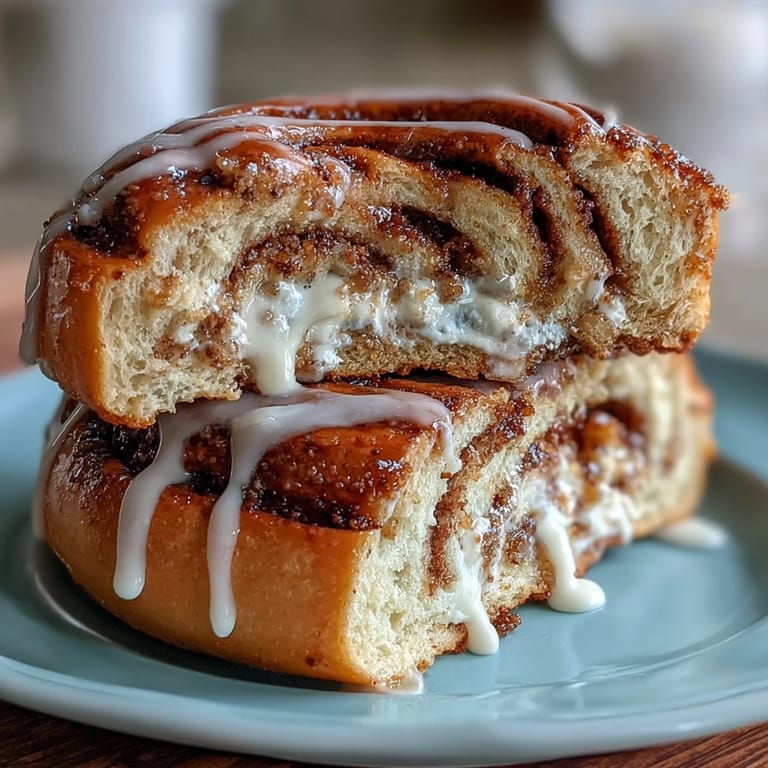
 My kitchen smelled like vanilla and cinnamon for three days straight after I first made these bagels, and honestly, I wasn't mad about it. I'd been searching for a breakfast that actually tasted indulgent but wouldn't leave me crashed by mid-morning, and after some experimenting with protein powder in bagel dough, something clicked. The first batch came out chewy on the inside with that satisfying bagel crust, swirled with cinnamon sugar, and topped with a creamy yogurt glaze that made them feel like dessert. My roommate walked in mid-bite and immediately demanded I teach her how to make them.
I brought a batch to my friend's book club last month, and someone asked if I'd bought them from a bakery—that moment felt like winning something. One of the guests mentioned she'd been avoiding bagels because of blood sugar spikes, and after eating two of these, she actually felt energized instead of crashed. Watching people light up when they bit into the cinnamon swirl and hit that creamy glaze made the whole kneading process feel worth it.
Ingredients
- Bread flour: Use bread flour specifically—it has higher protein content than all-purpose, which gives you that chewy bagel texture that actually snaps when you bite it.
- Vanilla protein powder: Vanilla works beautifully here because it echoes the glaze flavor, but don't hesitate to experiment with chocolate or cinnamon-flavored powders if you want to play around.
- Active dry yeast: Make sure it's fresh and store it in the fridge or freezer if you don't use it regularly—dead yeast means dense, sad bagels.
- Warm water: Too hot and you'll kill the yeast, too cold and it won't wake up; 110°F is the sweet spot.
- Brown sugar and cinnamon for swirl: The brown sugar dissolves more smoothly than white sugar and adds a subtle molasses note that deepens the spice flavor.
- Honey for boiling water: This adds a hint of sweetness and helps create that signature bagel crust—maple syrup works too.
- Greek yogurt glaze: Use plain Greek yogurt if you want to control the sweetness, but vanilla yogurt saves you a step and tastes like a treat.
Tired of Takeout? 🥡
Get 10 meals you can make faster than delivery arrives. Seriously.
One email. No spam. Unsubscribe anytime.
Instructions
- Mix your dry team:
- Combine bread flour, protein powder, sugar, and salt in a bowl—this distributes the protein evenly so you don't get dense pockets in your bagels. Give it a gentle whisk to break up any clumps in the protein powder.
- Wake up the yeast:
- Dissolve yeast in warm water and let it sit for 5 minutes until it's foamy and smells alive and beery. If it doesn't foam, your yeast is dead and you'll need to start over.
- Bring it together:
- Pour the yeast mixture and melted butter into your dry ingredients and stir until a shaggy dough forms. Don't worry if it looks rough—that's exactly where you want it.
- Knead until smooth:
- Flour your counter and knead for 6 to 8 minutes until the dough is smooth, elastic, and springs back when you poke it. This develops the gluten network that gives bagels their signature chew.
- First rise:
- Oil a bowl, place your dough inside, cover it with a damp cloth, and let it rise in a warm spot for 30 to 40 minutes until it's visibly puffy and doubled. A warm corner of your kitchen or an off oven works great.
- Make the cinnamon filling:
- Mix softened butter, brown sugar, and cinnamon into a paste while the dough rises—this ensures the filling spreads smoothly without tearing the dough.
- Shape and swirl:
- Roll the risen dough into a 10x14-inch rectangle on a floured surface, then spread the cinnamon mixture evenly across it. Roll tightly from the long side and cut into 8 equal pieces with a sharp knife.
- Form bagel shapes:
- Roll each piece into a ball, poke a hole through the center with your thumb, and gently stretch it into a bagel ring—think of it like opening a porthole. Don't stress if your shapes aren't perfect; they'll puff up in the boiling water.
- Second rest:
- Place bagels on parchment paper, cover loosely, and let them rest for 10 minutes while you preheat the oven and get the boiling water ready.
- Boil with honey water:
- Bring 2 quarts of water with honey to a gentle boil, then carefully place bagels one or two at a time into the water for exactly 30 seconds per side. This boiling step creates that chewy interior and bagel-shop exterior you're after.
- Bake until golden:
- Return boiled bagels to a parchment-lined baking sheet and bake at 375°F for 18 to 20 minutes until they're golden brown and the cinnamon swirls are slightly caramelized. Your kitchen will smell absolutely unreal.
- Cool and glaze:
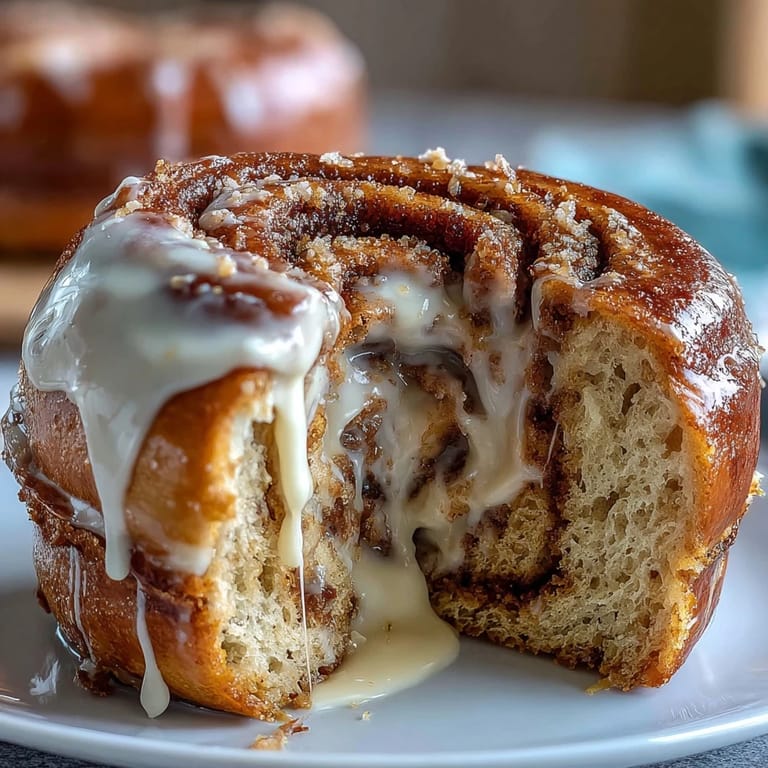
- Let bagels cool on a wire rack for a few minutes, then whisk Greek yogurt, powdered sugar, vanilla, and milk until silky smooth. Drizzle the glaze over cooled bagels and enjoy while they're still slightly warm.
 Save to Pinterest
 There's something grounding about standing at the stove with bagels floating in steaming water, watching them transform from pale dough to puffy clouds in literal seconds. My partner walked by during my second batch and called it 'alchemy,' and I think that's exactly what happens in that boiling water—the starch expands, the exterior sets up, and suddenly you have something that looks and tastes like the real thing.
Flavor Variations Worth Trying
Once you nail the basic recipe, the variations practically write themselves. I've experimented with chocolate protein powder and added a drizzle of dark chocolate to the glaze, which turned these into an almost-dessert bagel. Chai-flavored protein powder mixed with extra cinnamon and a pinch of cardamom in the swirl creates something that tastes like you're eating breakfast at a boutique coffee shop. Even simple swaps like using almond butter in the swirl or switching to salted caramel protein powder open up new territory—the base formula is forgiving enough to handle your creativity.
Why This Works for Meal Prep
I started making a double batch every other week because these bagels hold up beautifully in the freezer, and there's something powerful about having a protein-packed breakfast ready to toast on a chaotic morning. The dough comes together in less than an hour of active time (the rest is waiting), so you can make eight bagels in roughly the same effort as stopping at a café. Freeze them unglazed, then thaw and glaze the night before, or glaze after toasting—either way, you're looking at a wholesome breakfast that didn't require a 6 AM journey to the bagel shop.
Small Details That Make the Difference
The difference between okay bagels and bagels-that-make-people-ask-for-the-recipe often lives in the tiny moments nobody talks about. Making sure your water is actually warm and not hot, letting the dough rest long enough that it doubles visibly, and not rushing the boil—these three things alone transform the outcome. I learned this after my first batch turned out dense, and I realized I'd used water that was too hot and skipped the second rise. Now I'm religious about timing, and the payoff is worth it.
- If you want extra shine and a subtle glossy crust, brush the bagels with egg wash right before baking.
- Toast them lightly even after they're baked—it brings out the cinnamon and makes the glaze set faster.
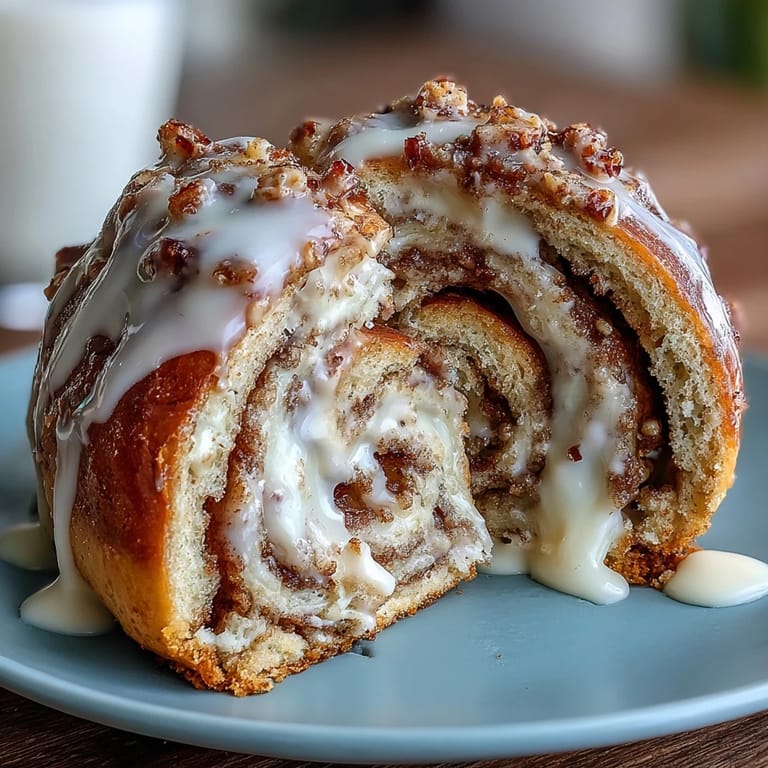
- Chopped pecans or walnuts stirred into the cinnamon mixture add a surprising textural contrast that makes people ask what the crunch is.
 Save to Pinterest
 These bagels remind me that breakfast doesn't have to be a choose-your-own-adventure between guilt and satisfaction. Make them, freeze them, and wake up to the knowledge that something nourishing and delicious is exactly three minutes away.
Recipe FAQs
- → What type of protein powder works best in these bagels?
Both whey and plant-based protein powders can be used. Choose one that complements your dietary preferences and desired flavor.
- → How do I create the cinnamon swirl inside the dough?
The filling is made by mixing softened butter, brown sugar, and ground cinnamon, which is then spread evenly over the rolled-out dough before shaping.
- → Why are the bagels boiled before baking?
Boiling helps develop a chewy texture and creates a shiny crust by partially cooking the dough's surface before baking.
- → Can I substitute the Greek yogurt in the glaze?
Yes, plain or vanilla varieties work well. For dairy-free options, consider a thick non-dairy yogurt alternative with similar consistency.
- → How can I add extra crunch to the cinnamon swirl?
Chopped pecans or walnuts can be mixed into the cinnamon filling to provide texture and nutty flavor.