 Save to Pinterest
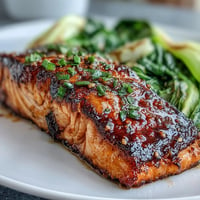
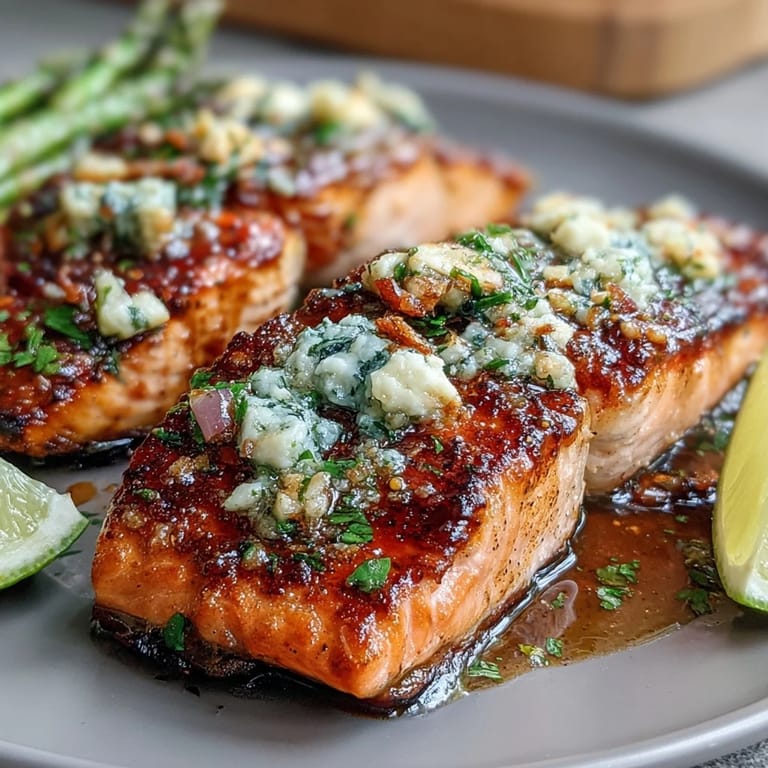
 My neighbor knocked on my door one April evening with a handful of asparagus from her garden, and I realized I had salmon thawing in the fridge. Within minutes, the kitchen smelled like garlic and butter hitting a hot pan, and I knew this combination was going to become a regular rotation. There's something magical about how quickly elegance comes together when you're not overthinking it.
I made this for my sister's boyfriend the first time he came to dinner, and I wanted to impress without looking like I'd spent all day in the kitchen. When he took that first bite and asked if I'd trained as a chef, I almost told him the secret was butter and restraint, but mostly just butter.
Ingredients
- Salmon fillets (4, about 6 oz each): Skin-on keeps everything moist and adds richness, but skinless works just fine if that's what you prefer or have on hand.
- Fresh asparagus (1 lb): Snap off those woody ends by bending each spear until it breaks naturally where the tender part begins.
- Unsalted butter (4 tbsp): This is your flavor foundation, so use good butter that tastes like butter, not something that's been sitting around since last year.
- Garlic (3 cloves, minced): Fresh garlic makes all the difference here because it softens into something sweet and fragrant as it roasts, not harsh or bitter.
- Fresh lemon juice (1 tbsp): Squeeze it yourself if you can, because bottled versions taste thin compared to what you get from an actual lemon.
- Dijon mustard (1 tsp): This tiny amount adds a subtle sharpness that makes you wonder what the secret ingredient is, but you won't taste mustard directly.
- Lemon (1 whole): Sliced for roasting, these rounds become soft and jammy and add moisture while cooking.
- Salt, black pepper, and red pepper flakes: Season generously because salmon loves salt, and the red pepper flakes add a whisper of heat that doesn't announce itself.
- Fresh parsley (2 tbsp, optional): A final sprinkle brings color and a fresh brightness that reminds you spring is actually here.
Tired of Takeout? 🥡
Get 10 meals you can make faster than delivery arrives. Seriously.
One email. No spam. Unsubscribe anytime.
Instructions
- Get your oven ready:
- Preheat to 400°F and line your baking sheet with parchment or foil. This step takes two minutes but saves you from scrubbing later, and parchment helps everything cook evenly.
- Arrange your ingredients:
- Place salmon in the center where it belongs, then tuck asparagus around it in a single layer. Nestle lemon slices between everything so they roast gently and flavor the whole pan.
- Make the garlic butter sauce:
- Whisk together melted butter, minced garlic, lemon juice, Dijon mustard, salt, pepper, and red pepper flakes in a small bowl until it looks like a glossy, fragrant emulsion. Taste it on your finger if you want, and adjust the salt if needed.
- Pour and roast:
- Drizzle that sauce evenly over everything, making sure the garlic gets distributed so no piece is left without flavor. Slide into the oven and set a timer for 15 to 18 minutes.
- Watch for doneness:
- The salmon is ready when it flakes easily with a fork and the asparagus has a little tender-crisp character. Don't overcook the salmon or it becomes dry, so start checking at 15 minutes.
- Finish and serve:
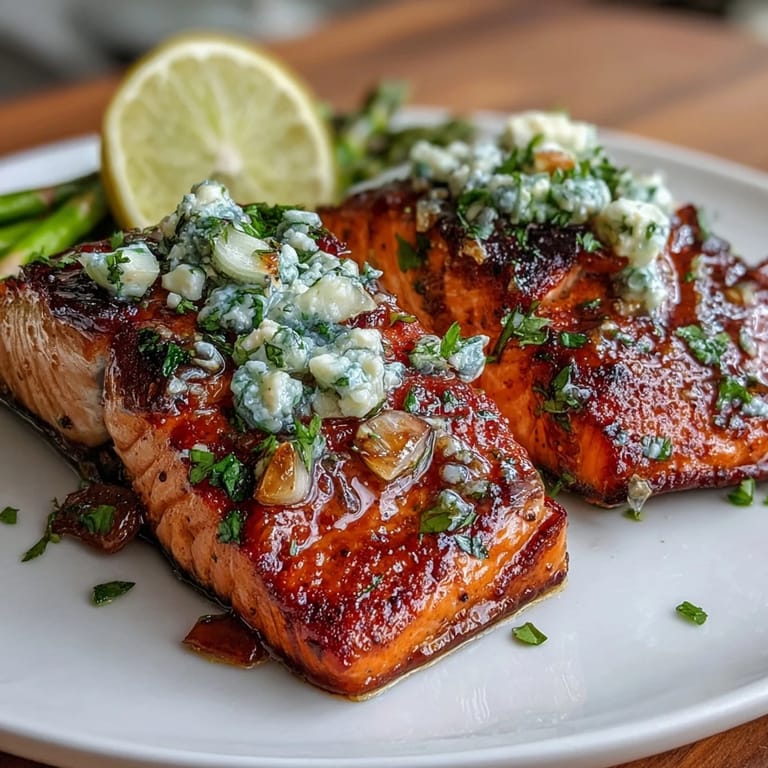
- Sprinkle parsley over everything if you're using it, then serve immediately while everything is still warm and the butter is still glossy. A wedge of lemon on the side is never wrong.
 Save to Pinterest
 My daughter, who usually pushes vegetables around her plate like they personally wronged her, asked for seconds of asparagus that night. I realized the garlic butter had converted her, and suddenly I understood why professional kitchens drown things in butter and get away with it.
The Beauty of a Sheet Pan Dinner
There's a reason restaurants lean on one-pan cooking: it forces everything to come together in harmony instead of requiring you to juggle multiple pots and temperatures. When you roast salmon and asparagus together, they share flavors and moisture, creating something greater than the sum of its parts. The pan itself becomes a flavor conductor, with the lemon rounds adding acidity and the garlic butter coating everything in richness that tastes intentional, not accidental.
Choosing Your Salmon
Fresh salmon should smell like the ocean, not fishy, which is a distinction that matters more than people realize. If your fishmonger seems bored or dismissive, find a new one, because good salmon is worth seeking out and will taste noticeably better when roasted. Wild salmon has more flavor than farmed, but farmed salmon is reliable and consistent, so use what you trust and what your budget allows.
Wine Pairings and Spring Sides
Sauvignon Blanc cuts through the richness of butter and complements salmon's natural oils in a way that feels elegant but not fussy. Pinot Grigio works too if that's what you have open, and honestly, a crisp beer is never wrong either. Serve this with crusty bread to soak up the pan sauce, or over rice if you want something more substantial, though the salmon and asparagus are pretty complete on their own.
- A simple arugula salad with lemon vinaigrette brightens the plate without competing for attention.
- Roasted potatoes on a separate pan will cook in about the same time if you get them in the oven first.
- If you're making this for guests, plate everything directly from the pan so the sauce stays warm and the presentation looks intentional.
 Save to Pinterest
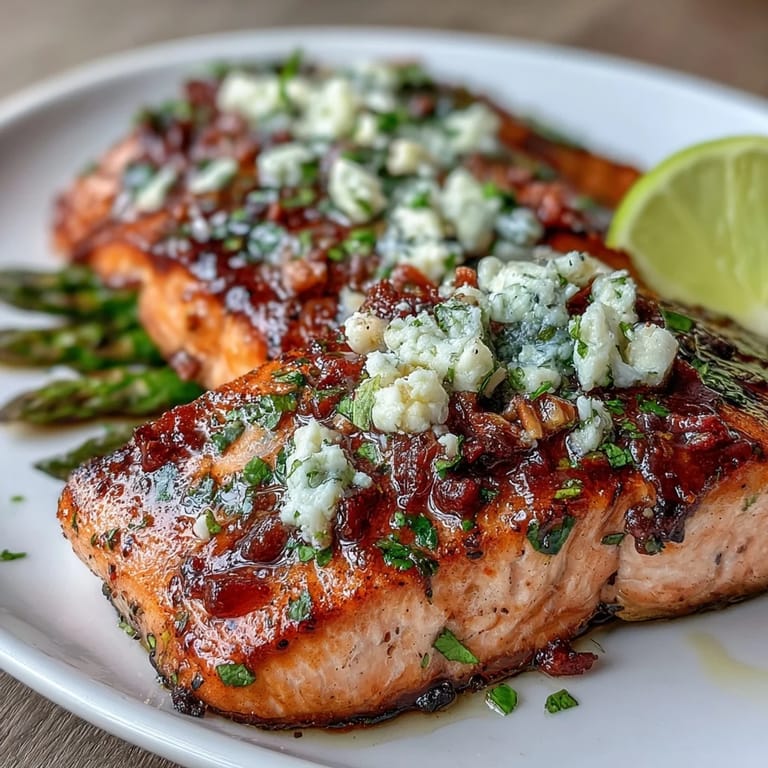
 This dish taught me that simple cooking is often the most satisfying, especially when you use good ingredients and respect their natural flavors. Make this once and it becomes your reliable go-to for nights when you want to feel like you tried without actually spending hours in the kitchen.
Recipe FAQs
- → What temperature is best for roasting salmon and asparagus?
Roasting at 400°F (200°C) allows the salmon to cook evenly while keeping the asparagus tender-crisp.
- → Can I use frozen salmon fillets for this dish?
Yes, but it's recommended to thaw them fully before roasting to ensure even cooking and optimal texture.
- → How does the garlic butter sauce enhance the dish?
The garlic butter sauce adds a rich, savory flavor with a zesty lemon kick, complementing both the salmon and asparagus perfectly.
- → Are there good substitutes for asparagus in this preparation?
Green beans or broccolini work well as alternatives, providing a similar texture and fresh flavor.
- → What garnishes work best with this dish?
Fresh chopped parsley and extra lemon wedges brighten the flavors and add a fresh finish.