 Save to Pinterest
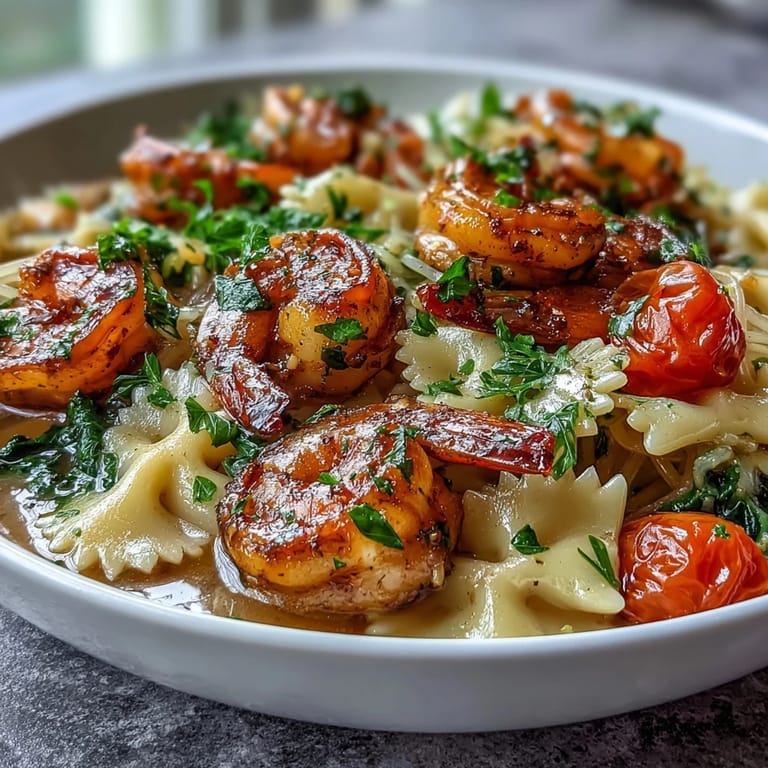
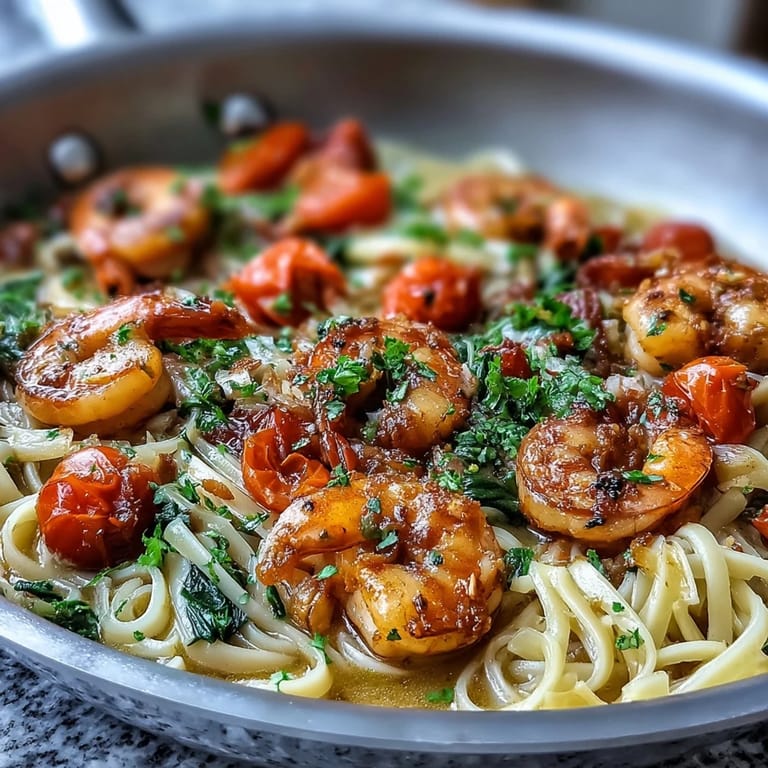
 There's something about the smell of garlic hitting hot olive oil that makes you feel like you're cooking something special, even on a random Tuesday night. I discovered this one-pot garlic shrimp pasta while trying to use up vegetables before they wilted, and what started as a scramble to avoid waste turned into the kind of dish I now make on purpose. The beauty of it is how everything cooks together—the pasta absorbs the broth, the shrimp stays tender, and the whole kitchen smells like a Mediterranean dream. It's become my go-to when I want something that feels restaurant-quality but comes together in less time than it takes to set the table.
I made this for my sister last spring when she was stressed about work, and watching her face light up at that first taste—the way she closed her eyes and just sat there for a moment—reminded me that food doesn't need to be complicated to feel like care. She asked for the recipe that night, and now it's her backup plan whenever she needs to feel capable in the kitchen.
Ingredients
- Large shrimp (1 lb, peeled and deveined): The star of the show, and honestly, don't skip the deveining step—it takes two minutes and makes the texture so much cleaner to bite into.
- Angel hair pasta (12 oz): Thinner than spaghetti, so it cooks fast and soaks up all that sauce like a sponge, which is exactly what you want here.
- Cherry tomatoes (1 cup, halved): They burst slightly as they cook, creating little pockets of sweetness that balance the garlic and lemon.
- Snap peas (1 cup, trimmed): They stay crisp-tender if you don't overcook them, adding a textural contrast that keeps each bite interesting.
- Baby spinach (1 cup): Added at the end so it wilts gently without turning dark and bitter, keeping that fresh green note alive.
- Zucchini (1 small, sliced): Tender and mild, it becomes almost buttery when it cooks in the broth and soaks up all the flavors around it.
- Garlic (4 cloves, minced): The foundation of flavor—don't use pre-minced from a jar, because fresh garlic blooms when it hits hot oil in a way jarred just can't match.
- Extra virgin olive oil (1/4 cup): Use good oil here since it's not being cooked to death and really matters to the final taste.
- Lemon zest and juice: The brightness that keeps this from feeling heavy—zest first, then juice right before serving, so you get both the fragrant oils and the acid.
- Red pepper flakes (1/2 tsp, optional): A whisper of heat that wakes up your palate without overwhelming anyone at the table.
- Dry white wine (1/2 cup) or vegetable broth: The wine adds a subtle depth, but honestly, broth works fine if that's what you have on hand.
- Broth (3 cups low-sodium chicken or vegetable): Low-sodium matters because it becomes the sauce, and you'll want to taste your own seasoning, not the broth's.
- Salt and black pepper: Taste as you go—this is non-negotiable for a dish this simple.
- Parmesan cheese (1/4 cup grated, optional): A salty finish that makes it feel complete, but completely optional if you're dairy-free.
- Fresh parsley and green onions: These green herbs stirred in at the end are what make it taste like spring instead of just like dinner.
Tired of Takeout? 🥡
Get 10 meals you can make faster than delivery arrives. Seriously.
One email. No spam. Unsubscribe anytime.
Instructions
- Start your aromatics:
- Heat your olive oil in a large, deep skillet over medium heat and let it shimmer slightly before adding the minced garlic and red pepper flakes. You want to hear a gentle sizzle and smell that warm, toasted garlic scent—if it starts browning or smelling burnt, pull it off the heat for a second because burned garlic tastes bitter and will haunt you.
- Soften the vegetables:
- Toss in your cherry tomatoes, snap peas, and zucchini, stirring them around so they get coated in that garlicky oil. Let them cook for 2 to 3 minutes, just until they start to soften but still have some backbone—you're not trying to make them mushy.
- Build your sauce:
- Pour in the white wine and let it bubble away for a couple of minutes so the alcohol cooks off and the flavor concentrates. Add your broth, lemon zest, and juice, then bring everything to a gentle boil—you'll notice the broth turning golden from the lemon and garlic.
- Add the pasta:
- Stir in your angel hair pasta, making sure each strand gets submerged under the liquid as much as possible. Cover the skillet and let it cook for 3 to 4 minutes, giving it a stir halfway through so nothing sticks to the bottom—the pasta will start to soften but shouldn't be done yet.
- Cook the shrimp:
- Spread the shrimp across the top of everything in a single layer, cover it again, and cook for 2 to 3 minutes until they turn pink and opaque. This is the moment where timing matters—overcooked shrimp becomes rubbery, so watch for that color change and pull it off the heat the second they're done.
- Finish with fresh herbs:
- Remove from heat and fold in the baby spinach, green onions, and parsley, letting the residual heat wilt the spinach gently. Taste it, adjust your salt and pepper, and grab a lemon wedge because everyone's going to want to squeeze a little more brightness into their bowl.
 Save to Pinterest
 My neighbor came over while I was making this one evening and stood in my kitchen just breathing in that garlicky steam, and without even asking, I set another place at the table. We ended up talking until the food was gone, and that's when I realized this dish has a way of making people want to stay and linger instead of just eating and running.
Why This One-Pot Method Works
There's real magic in cooking pasta directly in broth instead of draining it and losing all that starchy, flavorful liquid. The pasta absorbs the liquid as it cooks, so you're not just boiling it—you're building sauce simultaneously, and every grain of pasta becomes infused with garlic, lemon, and whatever vegetables are swimming around in there. It's fewer steps, fewer pots, and somehow the final dish tastes more cohesive because everything has cooked together from the start instead of being assembled at the end.
Spring Vegetable Swaps That Work
The beauty of this recipe is that it adapts to whatever is in season or hiding in your vegetable drawer. If snap peas aren't around, asparagus cut into bite-sized pieces works wonderfully and has that same tender-crisp texture you're after. I've also used broccoli florets, thin green beans, even diced bell peppers depending on the season, and the dish shifts slightly in flavor but maintains that bright, garden-fresh feeling that makes it feel special.
Serving Suggestions & Variations
This dish is stunning on its own, but a hunk of crusty bread alongside it transforms dinner into something you want to stretch out longer. If someone at your table doesn't eat shellfish, you can swap the shrimp for white beans, chicken, or just load it with extra vegetables and keep it vegetarian, though you might want to use vegetable broth across the board in that case.
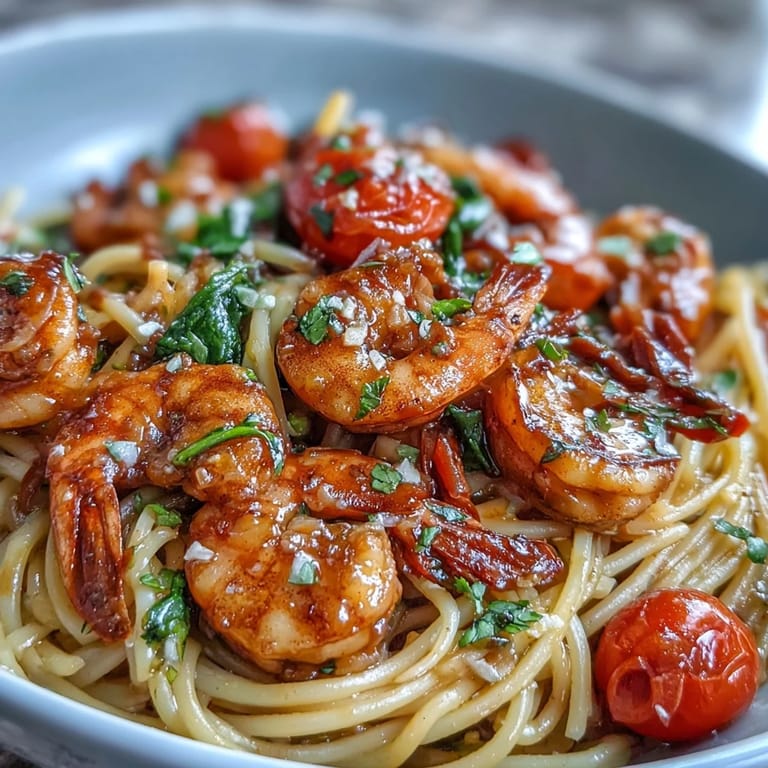
- Pour it into bowls and finish with fresh Parmesan and a lemon wedge—the lemon wedge matters because people want to control their own brightness level.
- Pair it with a crisp white wine like Sauvignon Blanc or Pinot Grigio, which cuts through the richness and feels like a real meal moment.
- Make extra because leftovers reheat gently in a low oven with a splash of broth, and it tastes almost as good the next day when you're hungry and tired.
 Save to Pinterest
 This is the kind of dish that quietly becomes a regular in your rotation because it delivers restaurant flavor without the fuss or the price tag. Once you make it once, you'll understand why—it's simple, it's honest, and it tastes like you actually know what you're doing.
Recipe FAQs
- → Can I substitute angel hair pasta with another type?
Yes, thin spaghetti or capellini work well as alternatives and maintain the delicate texture of the dish.
- → How do I ensure the shrimp stays tender and juicy?
Add shrimp towards the end of cooking and cook just until they turn pink and opaque to avoid toughness.
- → What can I use instead of white wine?
Vegetable or chicken broth can replace white wine to maintain moisture and depth without added alcohol.
- → Is it possible to make this dish gluten-free?
Absolutely, use gluten-free angel hair pasta to keep the dish gluten-free without altering flavors.
- → How can I add extra flavor without overpowering the dish?
Fresh herbs like parsley and green onions brighten the dish naturally; a light sprinkle of red pepper flakes adds subtle heat.